
Rest & Work
Consistent attentiveness to both matters

I’ve written about rest and work before. So, why am I revisiting these two concepts?
Like paying attention to your kids or listening to your spouse, recognizing how you rest and how you work aren’t one-and-done’s. They are cyclical.
The other day while walking, I was thinking about how I’ve traded my writing and reading time. I used to read at night and write in the morning. Now, I do the opposite most days. It wasn’t something I planned.
As I crossed the bridge that carries young and old over the creek, it hit me like the stones beneath the water: my switch came because I need time to read, reflect, and think before I can write. Now that I’m older, I see so much more value in thinking about ideas, characters, and conversations — and I don’t have to jump into writing because I’m not trying to prove my prowess.
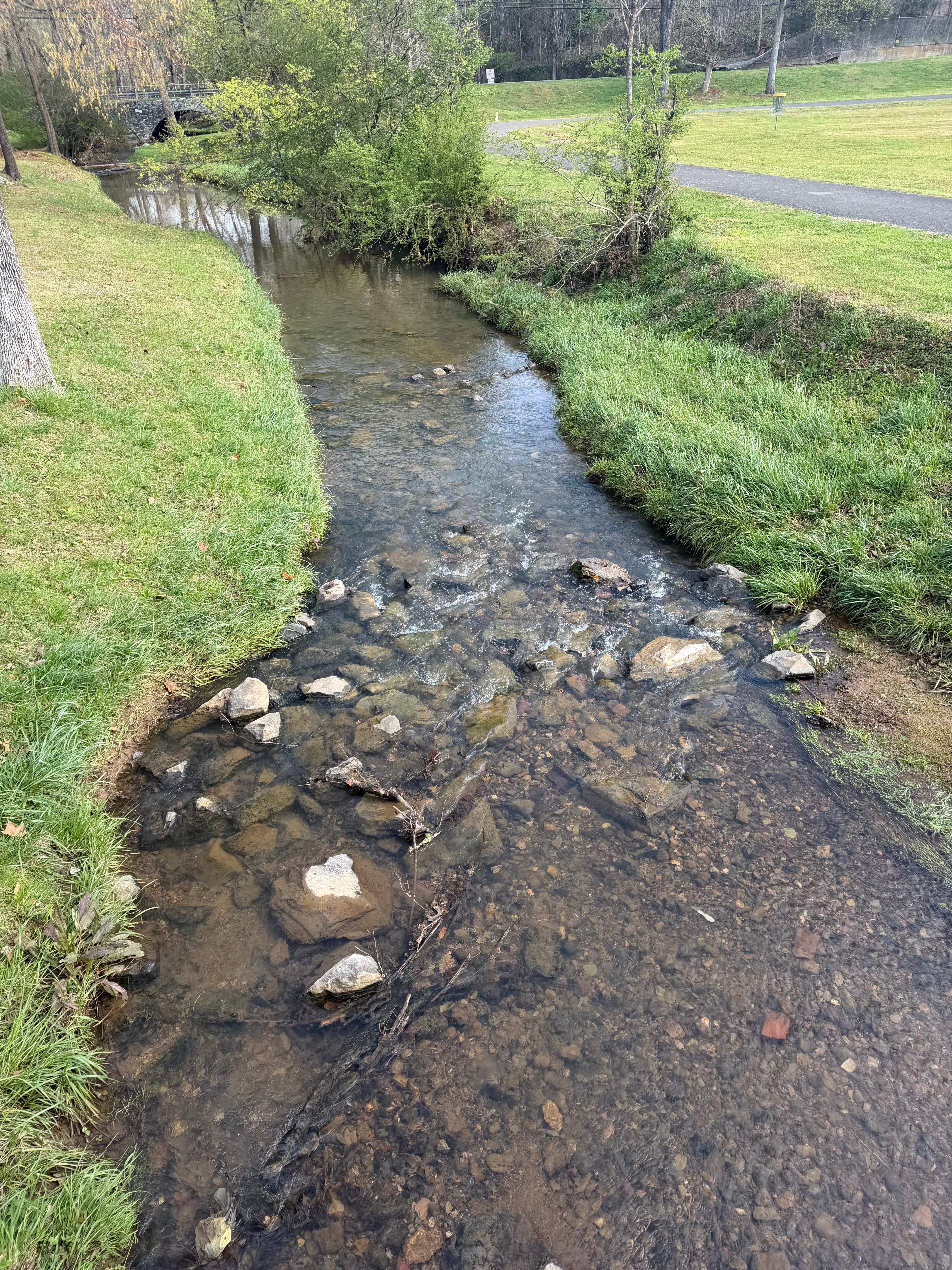
I also recognize that part of my work, the actual writing, is easier when I’ve rested. So, that leads me to ask:
How Do I Rest?
If you asked me how I rested two years ago, I’d have said that I sit in the car and scroll through my phone. I’m not kidding. This time two years ago, we lived in a 1,000-square-foot apartment with little privacy and even less storage.
I felt crowded and always among, never alone.
So I’d often run errands and just stay in my car after I returned. Sometimes I was there for an hour without realizing it.
Now, life is different.
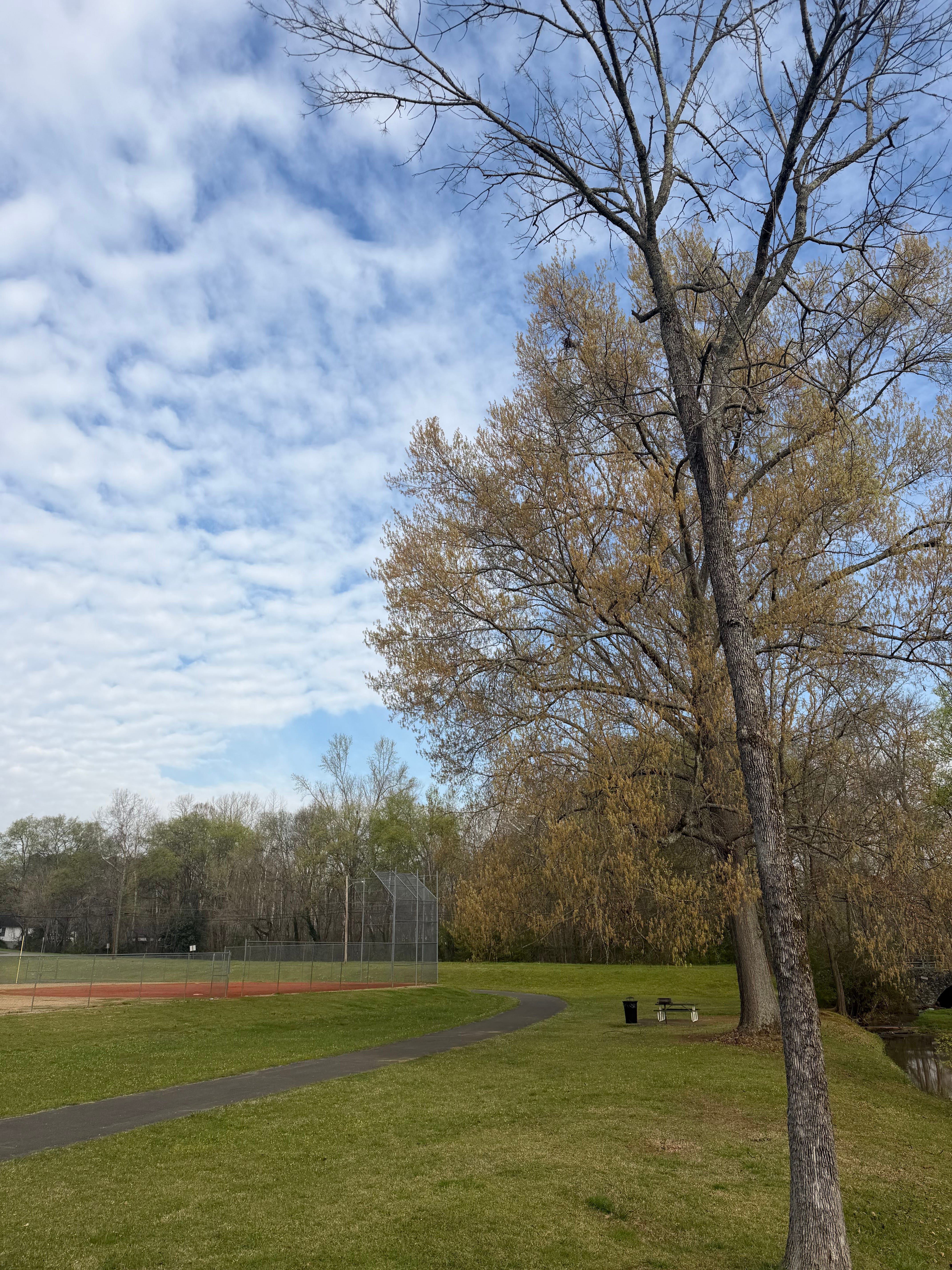
Our home sits halfway down a new-build neighborhood street tucked away on the line between two small towns. Instead of sitting in my short, stubby driveway, I tend to get outside, walk in the park or in my neighborhood, and sit in the swivel chair in my office. The silence isn’t something I crave anymore, but I have learned to embrace it while I’m mulling over what I read or just enjoying the sun as it streams through my office window.
I rest in movement, and I rest in silence.
Music is a huge shared love of mine; I enjoy talking about it, listening to it, and discovering new music with my son, another music-lover. But it’s not how I rest.
I used to feel bad about not being one of those people who can blast music at all times and feel calm. Then I recognized that my resting rhythms are more about movement and silence than about sound and stillness.
But as I continued to think about why these forms of rest work for me, I realized that they lead me into the joy of work. When I listen to music, it’s celebration time, reminds me of a road trip or a non-contemplative task like cooking — something I love but don’t usually do in isolation.
While I write, I tend to write solo; I’ll occasionally join a Zoom room to help me keep my butt in the chair, but I don’t chat much if I know what I’m working on and need to get to it. The silence-movement combo fuels the write-sit state of mind I need to get the work done.
Interestingly, 13th-century Persian poet Rumi said, “The quieter you become, the more you are able to hear.” I suspect that my rest fuels my work because it gives me the quiet I need to “hear” what spills onto a page during the work.
Reconciling Work to Rest
Whether you write for your work or you write on the side and carry out some other type of work, it’s important to reconcile what you work at with how you rest. It’s so easy to think of rest as plopping on the couch in front of the television or sitting on the front porch chatting on the phone with our best friend.
But true rest in its purest form fuels our work because it gives us the brain space we need to start in one place and finish in another. Isn’t all work starting in one place and finishing in another?
When we understand how we rest and refuel best, we can reconcile our work — even if it’s not meaningful to us. Let me explain.
Working, as defined by Merriam-Webster, is essentially being in use, operating, or engaged for a salary or other fulfillment of wage. I use the term “wage” here loosely; it could be that the wage is a more organized process, a calendar with more free time, or some other “earnings” that may go beyond money. Most often, our wage is expressed financially, but work can merit other wages.
And when we find our best rest — and engage in it regularly — we often find out that the bridge to the wage is worth it. It might not be what we thought we’d be doing, but if we can carve out the right kind of rest, it’s going to help us walk over the bridge to the most satisfying wage. The financial gain we attach to the word wage isn’t the important part of this rest-work connection.
It’s the satisfaction we feel in a “work” that’s motivated by “rest.”
We can reconcile how we work with how we rest, which gives us a guiding principle for keeping the two as balanced as possible. I’m a firm believer that when I don’t practice the best rest (for me), I’m less motivated to write, more confused about the direction of my work, and far more likely to have a complaining attitude about work.
But when I regularly build time to walk, be outside, and sit in silence, I am much more apt to approach the work with curiosity and clarity.

This week, I’m pooling some resources to help us all recognize our rest-work beats. Some are podcasts, others essays, and still more are books. I love a gather. I like to gather books, people, and collections; so this is my fun-tention for the week! I got out on the real internet and gathered some stuff for you! Enjoy ~
Resources for Recognizing Rest & Work Bests
If you’ve wondered how you rest best, I’d recommend checking out the following podcasts:
The Seven Kinds of Rest and How to Know Which One You Need by Kendra Adachi’s “The Lazy Genius” Podcast, ep. 258.
How to Rest When You’re Caring for Someone Else by Kendra Adachi’s “The Lazy Genius” Podcast, ep. 304.
How to Find Relief from Information Overload by Emily P. Freeman’s “The Next Right Thing” Podcast, ep. 289. If you prefer to read the transcript, here it is.
Silence Tells A Story by Emily P. Freeman’s “The Next Right Thing” Podcast, ep. 334 (transcript).
The January Deload by Kate Strickler, on the Naptime Kitchen Substack
Walking with Sam by Andrew McCarthy (about a long walk toward realization and connection)
Ordinary Time by Annie B. Jones

In a writing workshop I attended last weekend, our workshop leader helped us take a deep-dive into our WIPs. We had to examine the following list, and while tedious, it’s incredibly helpful to return to such lists when we’re remaking and revising something we’ve been so close to for too long. If you want to arm your toolkit with creative editing tips, subscribe to my paid Substack newsletter. I’ll share the editing workshop idea that I’ve never heard of in all my 20+ years of editing. It will blow your mind, help you step outside the box, and transform your work in ways you probably never thought to do on your own.
Eliminate passive voice. (The bird was bound by the leather lasso. Instead, let the lasso do the heavy lifting. Change it to, “The lasso bound the bird like a web captures its prey.”)
Trim your sentences (bloated sentences): In other words, ask yourself, “How can I tell this in a simpler way?”
Avoid redundancies: You can remember it with this easy (yet dark) phrase…Kill all the baby puppies. (For example, a puppy already is a baby, so you don’t need “baby” before it.) You also don’t need “a.m. in the morning,” The PIN “number” (N = number), and you certainly don’t need to eat dead fish. (Let’s face it, most of us don’t eat fish that are living.) Other ideas that work under this “redundancy” category: She heard the sound of birds chirping. (You don’t need “the sound” because you are already describing a sound.)
Keep verb tenses consistent. Don’t use he sees, he said, and he’ll be saying… it’s easy to do, so check your verbs!
Use strong verbs (no adverbs): For example, replace “they spoke quietly” with a stronger verb. In this quiet example, we might instead say, “She murmured.”
Read your work aloud.
I've been trying to figure out this rhythm of work and rest myself. The momentum of both you described struck me. "But true rest in its purest form fuels our work because it gives us the brain space we need to start in one place and finish in another." I am looking for work and rest that join together in this way. Thank you for this!